


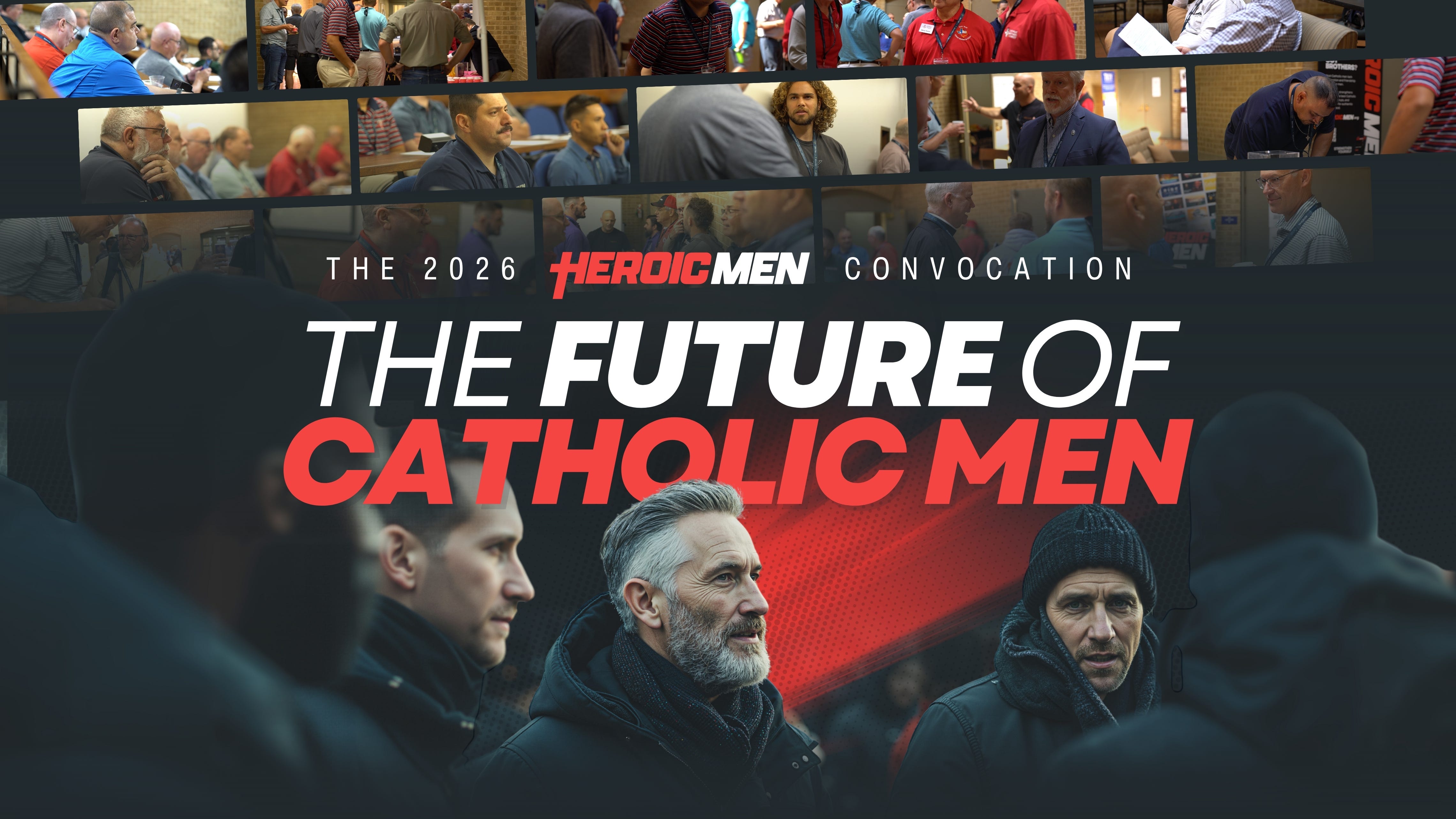
The leader-to-leader gathering delivered roundtable strategy, ministry resources, filmed presentations, brotherhood and the launch of the Million Man Pledge.
Heroic Men built the convocation around a clear goal: gather Catholic men’s ministry leaders as participants, give them room to work together, capture the strongest ideas, and send them home with tools to multiply the mission.
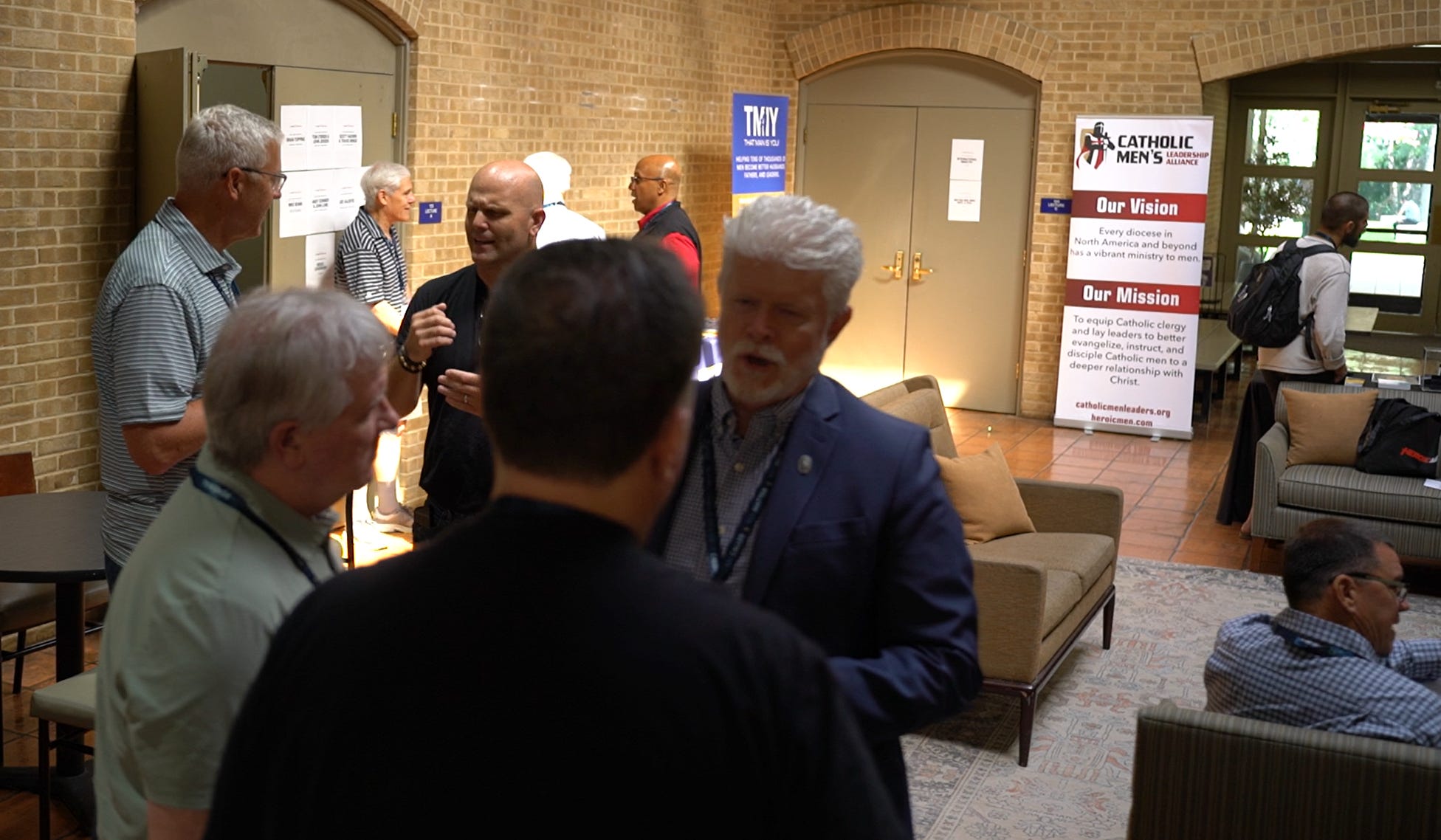
The gathering became a working brotherhood where brief talks, breakout conversations, Mass, adoration, meals, ministry presentations, prayer and late-night fellowship gave men something many said they needed: honest relationships with other men carrying the same mission.
The convocation also gave leaders practical outcomes they could use immediately.
Leaders compared ministry models. They wrestled with common problems in formation, growth, retention, leadership pipelines, parish engagement, diocesan expansion, fundraising, conferences, speakers, pornography, ministry gaps and reaching younger men.
Ministries presented their missions. Heroic Men filmed sessions. The team captured presentations. Leaders left with recorded assets, stronger relationships, practical ideas and a clearer sense that they belonged to a wider alliance rather than carrying their work alone.
The weekend also launched the Million Man Pledge, giving the convocation a concrete next move: bring the pledge to Catholic men’s conferences, parishes and dioceses across North America.


A Gathering Built for Men Who Lead
Robert Tunmire, co-founder of Heroic Men, said he had reflected on the weekend and came away convinced that the workshop model carried the event.
“I think this was the strongest of all the conferences that we have done,” Tunmire said. “I was reflecting on it. The personal workshop focus is really the right approach.”
Heroic Men designed the convocation for leaders rather than spectators.
Men came from national ministries, regional conferences, dioceses, local groups and alliance partners. Each brought his own experience, problems, questions and hopes for strengthening Catholic men.


Roundtables, Breakouts and Practical Work.
The structure of the weekend gave men several ways to engage.
Brief talks kept the main sessions focused. Breakouts let leaders choose the conversations that matched their own work. Roundtables gave men a chance to speak face to face instead of sitting in rows as an audience.
“The talks were brief,” Tunmire said. “So it was a lot of activity. And then the breakout sessions gave guys a chance to pick to go hear what they thought was important to them. And we gave a lot of time for social time, where they could really gather in community. I mean, we had to really herd them back in.”
A Platform for Ministries
The ministry presentation format gave the convocation one of its most practical benefits.
Each ministry had space to explain its mission, show how it serves Catholic men, and connect its work to the larger alliance. These presentations gave leaders a way to understand one another’s strengths, avoid duplication, find partners and identify resources they could bring home.
Heroic Men recorded the strongest insights from the weekend to multiply them on video beyond the men in the room.
Men Connected as Equals
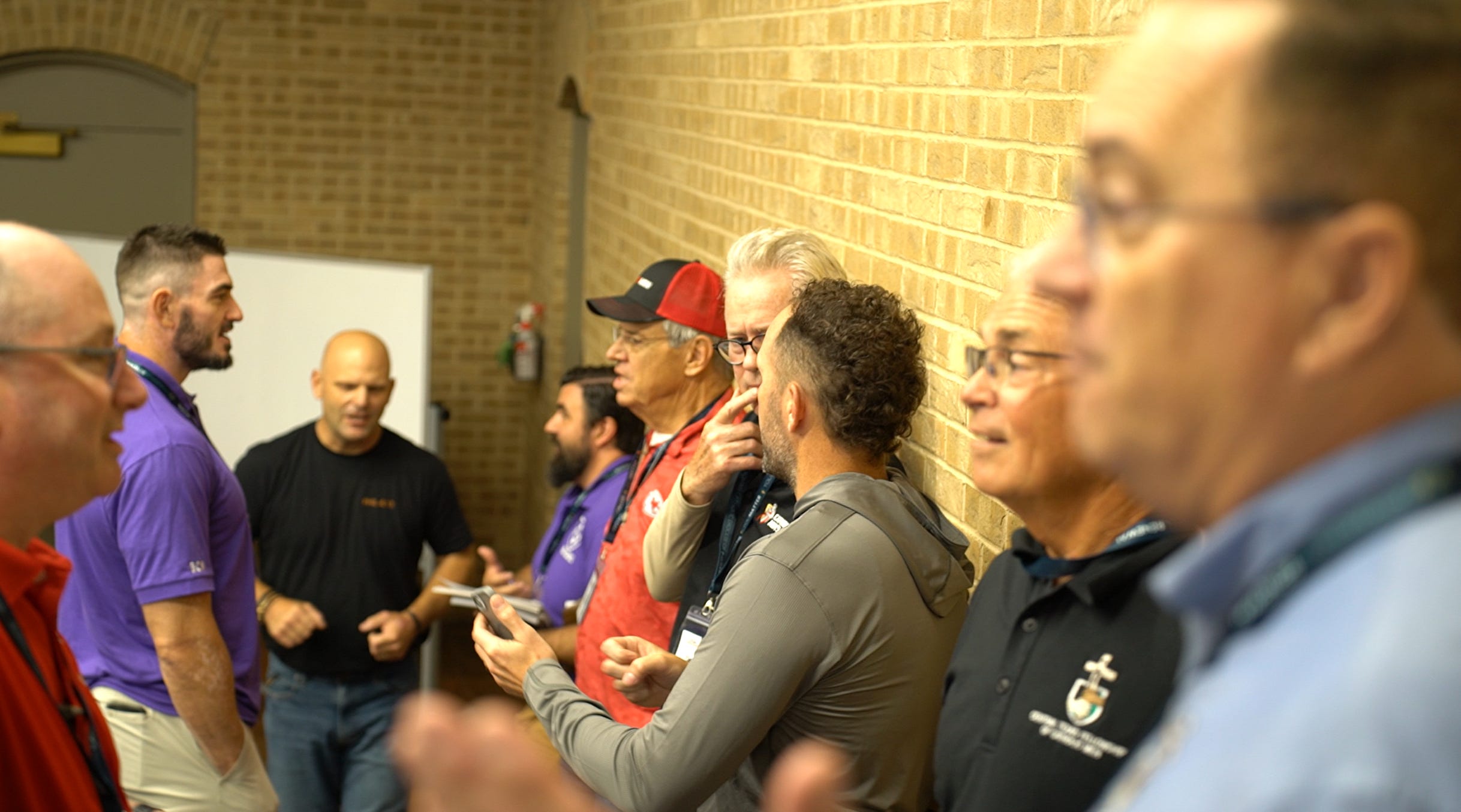
Sean Lynn of Heroic Men Canada said the tone of the sessions helped the weekend succeed.
“We were there as equals,” Lynn said. “We weren’t talking at them. We were discussing together, and they had a voice. I think that’s why they liked it so much.”
Many men came with serious leadership experience. They lead ministries, organize conferences, serve regions, speak publicly, guide parishes and discern how to serve Catholic men more deeply.
The convocation gave them permission to talk as brothers in the same work.
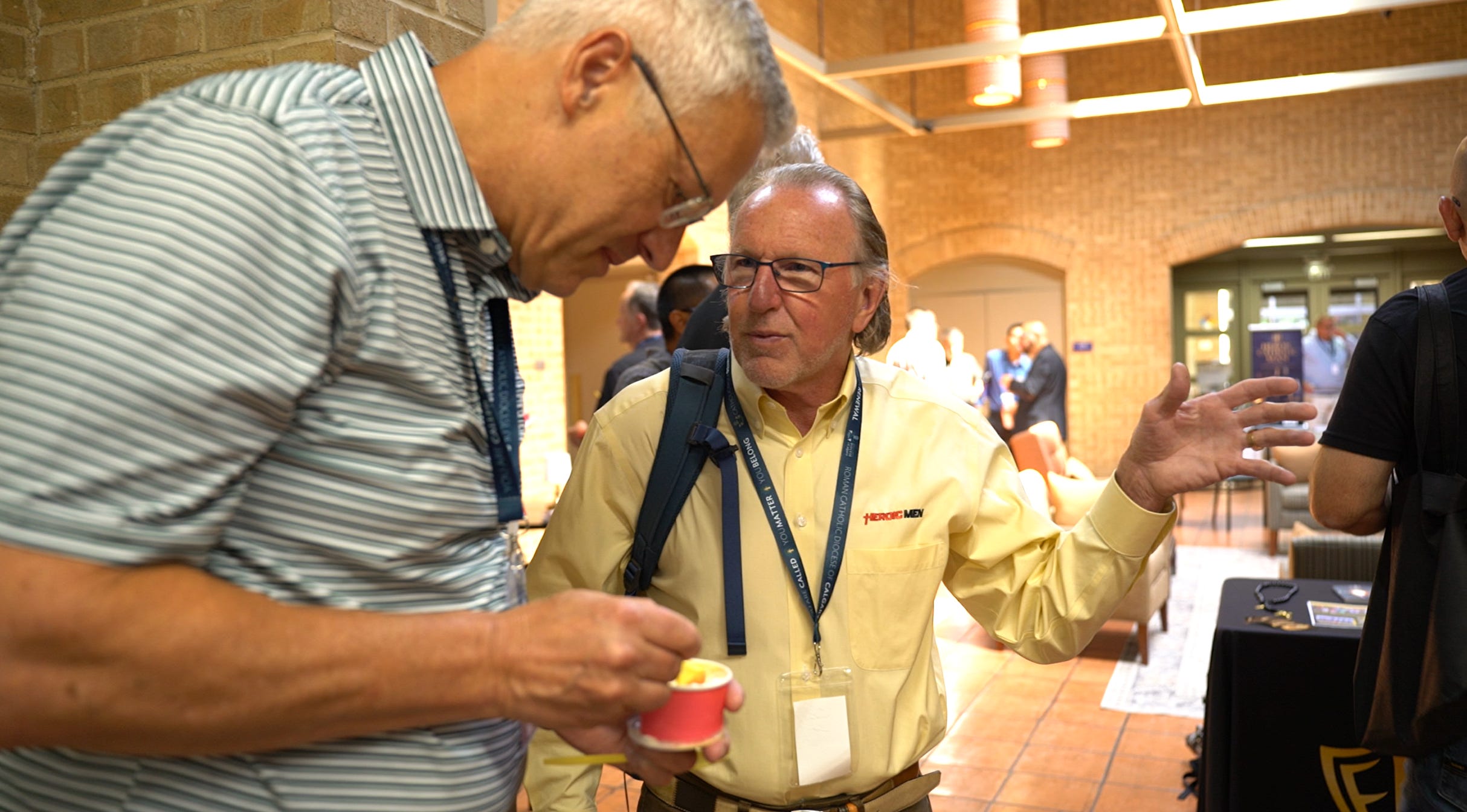
Dean Patterson, regional leader for the Midwest USA, said he watched relationships forming in real time. “The level of engagement was solid,” Patterson said. “A lot of these guys came together and didn’t often sit together by day two, because they’d made new friends.”
Bill Moyer, president of the board, said the event felt less like a formal conference and more like a reunion. “It felt like a family gathering,” he said.
Prayer, Meals and Late-Night Brotherhood
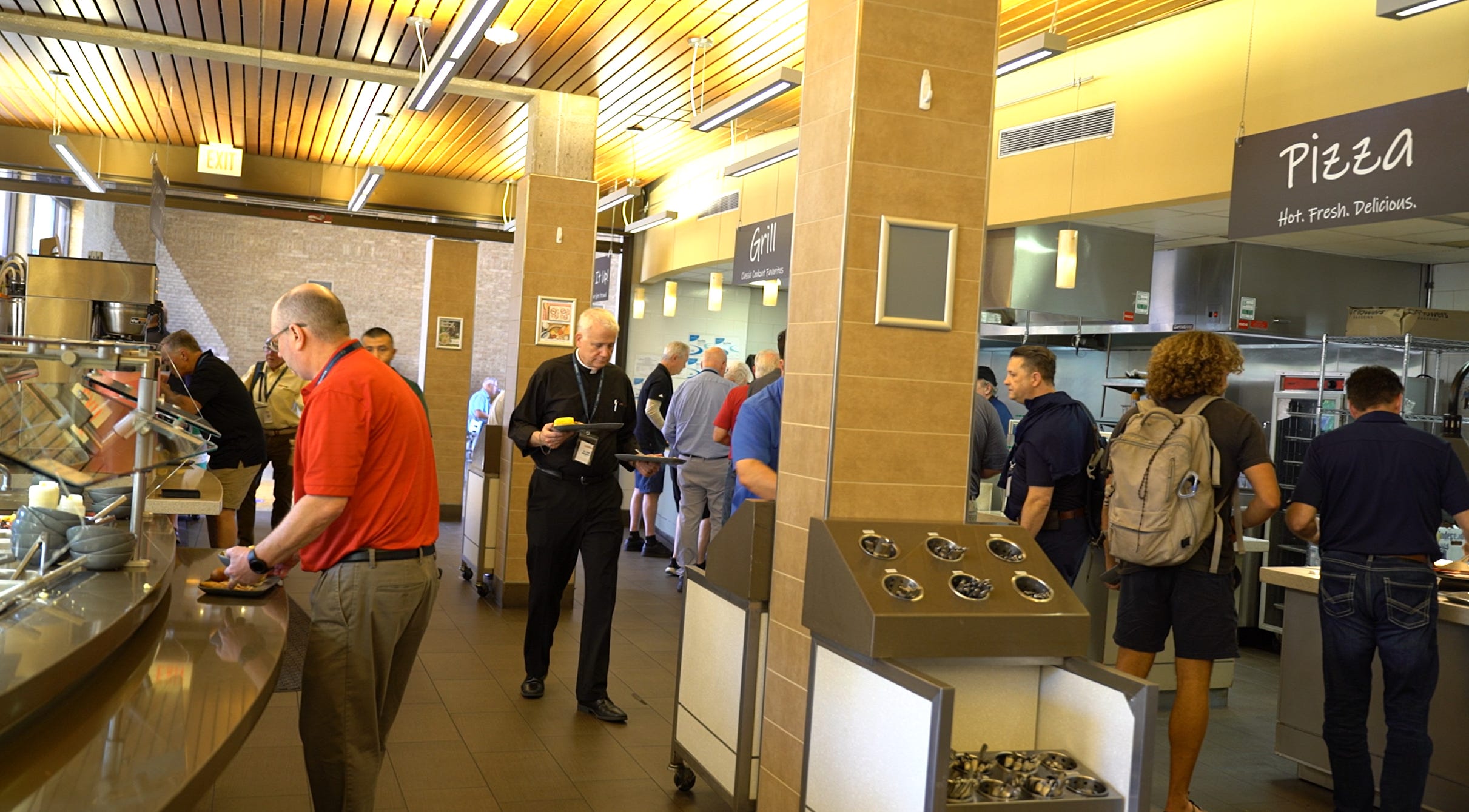
Heroic Men built Mass, adoration, prayer, reflection, meals, networking and unstructured time into the schedule. The informal moments became some of the most important parts of the weekend.
Moyer said the Friday night pub gathering became “way more of a hit than I thought... I expected maybe 10 men to show,” Moyer said. “And that place was hopping.”
Lynn said the same energy carried into the weekend. “On Saturday, we probably had 30-plus men out there, having whiskey and cigars,” Lynn said.
Men left with practical leadership ideas. Several leaders said the weekend gave them specific ways to strengthen parish, diocesan and ministry work.
Nick Weis said the convocation gave him trusted input on “fundraising, communication, conference ideas, speakers” and called the pledge “huge” because it opened his eyes to “the possibilities to connect more men to Christ.”
Jeff Popenoe said the weekend reinforced the need for more active outreach to parishes, men’s ministries and Knights of Columbus councils.
Scott Hadwin said the convocation gave him “multiple paths forward.”
John Lund said one of his biggest takeaways involved asking permission to speak truth to another man and going deeper into hard conversations.
Men saw the need to reach younger leaders. Early feedback showed strong concern for the next generation.
One attendee said leaders “must focus on building the next generation of leaders” while doing what they can now. In six months, he said, he hopes to report that he has encouraged younger men in his sphere to recruit more men their age and stop trying to carry the work alone.


Men wanted even more working sessions
Participants also named the next round of practical needs.
They asked for more discussion on evangelization stories, recruiting men where they are, fundraising, conference operations, pledge communication, growth, post-abortion healing for men, pro-life engagement, new ministry materials and ways to help men commit to groups or conferences.
“I see now what is possible coming out of a conference, said Jim, an attendee. “An event is good, but we want to help men change. That means more is needed after the event is over. A conference is really a gateway to building something more.”
Future sessions could include “training on the nuts and bolts of running a men’s conference for beginners.” Some wanted more focus on reaching men beyond those already involved in church. A Deeper Need for Raw Honesty. Feedback began arriving soon after the convocation ended. Joe Halsell, a public speaker and attendee, messaged the team after the event.
“What an amazing weekend,” Halsell wrote. “Can’t thank you enough for the invite, the decades of experience in that room… The raw, authentic relationships I got to build, the leaders I was able to engage and help come to grips with… Even at the leadership level, there is a deep need for raw honesty with a brother.”
Another attendee, Matt Aujero of Fight Club, described the gathering more simply. “This is the annual event that feeds me,” he said.
The convocation strengthened ministries, and it strengthened men.
The Million Man Pledge Becomes the Next Move.
The weekend also launched the Million Man Pledge.
The pledge gave the convocation a simple next action that every leader could understand and carry home.
“One thing that was clear to me sitting there is the men are very hungry, and the Million Man Pledge is a very powerful tool,” Tunmire said. “I don’t think we should underestimate that.”
Moyer said he challenged leaders to bring the pledge to other gatherings. “Our goal is that every man takes the pledge to their conference.”
One attendee said he had already written three names in his journal on each of the past two Mondays, and saw a way to introduce the pledge into his mentorship program.
Several others said they had taken the pledge or planned to take it, and most named at least one man they intended to invite within 30 days.
Chris Mann, regional leader coach for the Western USA, said the first signs of momentum came quickly. One man had already asked for 1,500 pledge cards for a conference in August.
A Successful Model for the Future
The convocation showed that Catholic men’s ministry leaders want more than famous speakers. They want trusted brothers, proven ideas, useful tools and a shared mission.
Heroic Men has a clear next step: gather leaders, strengthen brotherhood, capture wisdom and send men home ready to reach more men.